Efficient environmental remediation services play a crucial role in identifying, controlling, and eliminating contamination directly from its source. Instead of temporary fixes, these approaches focus on long-term environmental recovery and prevention of further damage. By combining scientific assessment, advanced treatment methods, and strategic planning, remediation helps restore soil, water, and air quality. These services are essential for protecting ecosystems, supporting public health, and enabling sustainable land use in urban and industrial regions.
Targeting Pollution at the Source
A key principle of efficient remediation is addressing pollution where it begins rather than treating its effects downstream. This method ensures contaminants are contained and neutralized before they spread through ecosystems. Site assessments, sampling, and monitoring help identify pollution hotspots. Once sources are located, targeted interventions including soil treatment, groundwater purification, and vapor control are applied. This precision-driven approach minimizes environmental disruption while maximizing cleanup effectiveness and long-term safety. Users can access official details through see website links.
Key Techniques and Approaches
Modern remediation services rely on a combination of innovative technologies and proven environmental engineering practices. These techniques are designed to adapt to different types of contamination, ensuring effective and efficient cleanup operations.
- Bioremediation using natural microorganisms to break down pollutants
- Soil washing to remove hazardous substances from contaminated land
- Groundwater extraction and purification systems
- Chemical oxidation to neutralize toxic compounds
- Thermal treatment methods for heavily polluted areas
These methods are selected based on site conditions, contamination type, and environmental goals, ensuring a tailored and efficient response.
Benefits of Efficient Remediation Services
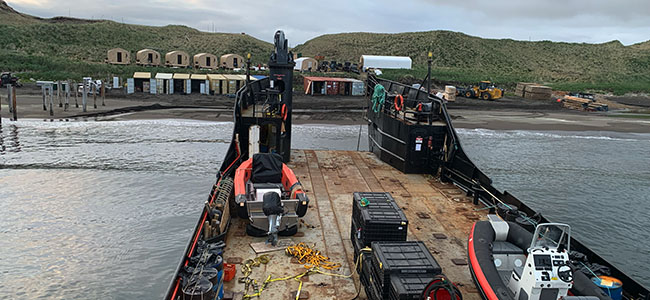
Efficient remediation delivers wide-ranging environmental and societal advantages. It reduces long-term pollution risks, improves ecosystem resilience, and enhances community well-being. By focusing on source-level cleanup, these services prevent recurring contamination and reduce restoration costs over time. They also support regulatory compliance and promote responsible environmental stewardship across industries.
- Improved soil and water quality
- Reduced exposure to hazardous substances
- Faster environmental recovery timelines
- Cost-effective long-term solutions
- Stronger ecosystem resilience
Overall, these benefits contribute to healthier environments and safer living conditions.
Supporting a Sustainable Environmental Future
As environmental challenges grow, efficient remediation services remain essential for building a sustainable future. Their focus on prevention, precision, and restoration ensures that ecosystems are protected. By integrating innovation with environmental responsibility, these services help societies move toward cleaner, safer, balanced natural systems.