Category: Health

  • Psychedelic Routines Encourage Meaningful Reflection And Cognitive Growth

    Structured approaches to inner exploration are often described as supportive tools for reflection and cognitive development. Psychedelic routines, when viewed as intentional and mindful frameworks, are associated with encouraging deeper awareness of thoughts, emotions, and perception patterns. These practices focus on creating space for self-observation, allowing individuals to better understand their mental processes while promoting calm, clarity, and meaningful introspection in a structured and responsible way. By emphasizing reflection rather than reaction, such routines are seen as pathways that support cognitive flexibility and emotional awareness over time.

    Building Awareness Through Structured Reflection

    Meaningful reflection begins with creating a stable mental environment where thoughts can be observed without distraction. Psychedelic routines in this context emphasize intentional focus, helping individuals slow down internal dialogue and recognize patterns in thinking. This structured awareness supports improved understanding of how emotions and cognition interact in daily life.

    Key elements of structured reflection include:

    • Setting clear intentions before introspective practice
    • Observing thoughts without judgment or interruption
    • Maintaining a calm and stable environment
    • Recognizing emotional responses with clarity
    • Practicing patience during self-observation

    These principles help create a foundation for deeper cognitive exploration and improved self-awareness. This website https://nerdbot.com/2026/06/02/how-to-verify-third-party-lab-testing-before-purchasing-psychedelics-online/ helps to evaluate lab testing.

    Cognitive Growth Through Mindful Observation

    Psychedelic Routines

    Cognitive growth is often associated with the ability to process information more clearly and adapt thinking patterns over time. Psychedelic routines, when approached as reflective exercises, encourage individuals to examine their perceptions and thought structures in a more conscious manner. This can lead to improved mental flexibility and enhanced problem-solving perspectives.

    Supportive cognitive development practices include:

    • Analyzing thought patterns with curiosity
    • Identifying recurring mental habits
    • Encouraging flexible thinking approaches
    • Strengthening focus and attention control
    • Developing awareness of emotional triggers

    Such practices help individuals build stronger connections between awareness and understanding, contributing to long-term mental clarity.

    Emotional Clarity And Inner Balance

    Emotional clarity plays an important role in cognitive development. Structured reflective routines support individuals in recognizing emotional responses and understanding their origins. This process encourages balance between emotional experience and rational thinking, creating a more grounded and stable mindset.

    Helpful emotional awareness techniques include:

    • Deep breathing to maintain calm awareness
    • Journaling emotional insights for reflection
    • Practicing mindful observation of feelings
    • Allowing space for emotional processing
    • Developing non-reactive awareness habits

    These techniques support emotional regulation and encourage thoughtful responses rather than impulsive reactions.

    Integration Of Insights Into Daily Life

    Integration is a key step in transforming reflective insights into meaningful personal growth. Psychedelic routines emphasize applying awareness gained during introspection to everyday behaviors and decisions. This helps individuals translate abstract understanding into practical improvements in thinking and lifestyle choices.

    Integration practices include:

    • Reflecting on insights after structured sessions
    • Applying awareness to real-world situations
    • Observing behavioral changes over time
    • Strengthening decision-making clarity
    • Encouraging consistent self-reflection habits

    This ongoing process helps reinforce cognitive development and supports long-term personal evolution.

    Conclusion

    Psychedelic routines, when framed as structured reflective practices, are associated with encouraging meaningful reflection and cognitive growth. By promoting awareness, emotional clarity, and thoughtful integration, these routines help individuals better understand their inner experiences. Through consistent reflection and mindful observation, individuals can develop stronger cognitive flexibility, improved emotional balance, and enhanced self-awareness. This structured approach to introspection supports long-term personal development and fosters a more conscious and reflective way of engaging with thoughts and experiences.

  • A Complete Guide to Stopping Arterial Bleeding Effectively

    Arterial bleeding is a serious medical emergency that requires immediate attention and calm action. Because arteries carry oxygen-rich blood throughout the body, heavy bleeding can happen very quickly. What is the most effective way to stop an arterial bleed when there is no object still in the wound? Learning the correct techniques can help reduce blood loss, improve safety, and support recovery until professional medical care arrives.

    Recognizing Arterial Bleeding Quickly

    Identifying arterial bleeding early is extremely important. This type of bleeding often appears more severe than other wounds.

    Common Signs to Watch For

    • Bright red blood flowing rapidly
    • Blood spurting in rhythm with the heartbeat
    • Large amounts of blood loss within minutes
    • Weakness or dizziness in the injured person
    • Pale or clammy skin
    • Fast breathing or confusion

    Quick recognition allows faster response and better control of the situation.

    Stay Calm and Focused

    Arterial Bleed

    Remaining calm helps improve decision-making during emergencies. Panic can delay important actions, while a focused approach increases the chances of effective bleeding control.

    Important First Actions

    • Ensure the area is safe
    • Call emergency medical services immediately
    • Put on protective gloves if available
    • Position the injured person safely
    • Keep communication clear and reassuring

    A calm environment can help the injured person feel more secure and cooperative.

    Apply Direct Pressure Immediately

    Direct pressure is one of the most effective ways to slow or stop arterial bleeding.

    How to Apply Pressure Correctly

    • Use a clean cloth, dressing, or bandage
    • Press firmly over the wound
    • Maintain constant pressure without lifting frequently
    • Use both hands if necessary
    • Continue pressure until help arrives or bleeding stops

    Strong and continuous pressure encourages clot formation and reduces blood flow from the damaged artery.

    Elevate the Injured Area When Possible

    If the injury involves an arm or leg and no fracture is suspected, carefully raise the limb above heart level.

    Benefits of Elevation

    • Helps reduce blood flow to the wound
    • Supports pressure techniques
    • May slow active bleeding
    • Improves overall bleeding control

    Elevation should always be combined with direct pressure for the best results.

    Use a Pressure Bandage Securely

    Once bleeding begins to slow, securing the wound with a pressure bandage can help maintain stability.

    Helpful Tips

    • Wrap the bandage firmly but not excessively tight
    • Ensure circulation remains present below the injury
    • Add extra padding if blood soaks through
    • Avoid removing the original dressing unnecessarily

    A properly secured dressing keeps pressure consistent and protects the wound.

    Monitor the Person Carefully

    Continuous observation is very important after initial bleeding control.

    Watch for Warning Signs

    • Difficulty staying awake
    • Rapid pulse
    • Shallow breathing
    • Increased weakness
    • Cool or pale skin

    Keeping the person warm and still may help support comfort while waiting for emergency care.

    Avoid Common Mistakes

    Certain actions can worsen bleeding or delay proper treatment.

    Actions to Avoid

    • Do not panic or rush care
    • Do not remove deeply embedded objects
    • Do not repeatedly check the wound unnecessarily
    • Do not apply unclean materials directly to the injury
    • Do not ignore signs of shock

    Smart and steady actions improve overall safety during emergencies.

    Understanding how to stop arterial bleeding effectively can make a major difference during critical situations. Rapid recognition, firm direct pressure, careful monitoring, and calm decision-making are all essential steps. With proper preparation and confidence, anyone can provide valuable assistance and help protect a person from severe blood loss until professional medical support becomes available.

  • Skilled Caregiving Creating Safe, Comfortable, and Joyful Homes

    In today’s world, ensuring the well-being of loved ones is more important than ever. Homewatch CareGivers of Windsor offers compassionate, professional support that helps families create safe, comfortable, and joyful homes. Their skilled caregiving approach emphasizes both physical care and emotional well-being, making everyday life more fulfilling for seniors and those in need of assistance.

    Personalized Support for Every Individual

    Every home and every person has unique needs. Skilled caregivers focus on providing tailored assistance, including:

    • Daily Living Assistance: Helping with bathing, dressing, and grooming to maintain dignity and comfort.
    • Meal Planning and Preparation: Ensuring nutritious, delicious meals that cater to dietary preferences and health needs.
    • Medication Management: Supporting consistent and safe medication routines to promote overall wellness.

    By addressing these essential daily needs, caregivers help family members feel secure and supported while preserving independence.

    Promoting Safety and Peace of Mind

    Safety is a cornerstone of a joyful home. Caregivers implement proactive measures to reduce risks, including:

    • Fall Prevention Strategies: Adapting the home environment to minimize hazards.
    • Monitoring Health and Mobility: Observing changes in physical or cognitive health and reporting them promptly.
    • Emergency Preparedness: Ensuring quick, reliable responses when urgent situations arise.

    These practices provide families with peace of mind, knowing their loved ones are safe in familiar surroundings.

    Enhancing Emotional Well-Being

    True caregiving goes beyond physical needs; it nurtures the heart and mind. Skilled caregivers bring warmth and companionship to every interaction:

    • Engaging Activities: Encouraging hobbies, games, and social interaction to promote mental stimulation.
    • Emotional Support: Offering empathy, understanding, and a listening ear to reduce stress and loneliness.
    • Celebrating Everyday Joys: Creating moments of laughter, comfort, and happiness that enrich daily life.

    This holistic approach ensures that each individual feels valued, respected, and cared for in a nurturing environment.

    Building Strong Family Connections

    Caregiving also strengthens family bonds by providing support that allows loved ones to focus on meaningful interactions rather than daily chores or health concerns. Families gain more quality time together, creating lasting memories in a safe and comfortable home environment. Skilled caregiving is more than a service it is a way to create homes filled with safety, comfort, and joy. Homewatch CareGivers exemplifies this approach by combining professional expertise with genuine compassion. Through personalized care, proactive safety measures, and heartfelt support, they help families thrive and loved ones live confidently every day.

  • MSP Programs Standardize Staffing Practices Across Healthcare Systems

    Managed Service Provider MSP programs are emerging as a strategic solution to standardize staffing practices across healthcare systems. By providing a centralized approach to workforce management, MSPs improve efficiency, reduce costs, and enhance patient care.

    Centralized Workforce Management

    MSP programs act as a single point of coordination for staffing across multiple facilities within a healthcare system. This centralization enables:

    • Consistent staffing standards: Policies, procedures, and performance metrics are uniform across locations.
    • Streamlined recruitment: Simplified hiring processes reduce the time to fill critical positions.
    • Improved compliance: Standardized procedures help healthcare systems adhere to regulatory requirements more effectively.

    Centralized workforce management ensures that every facility within a healthcare staffing msp system operates under the same staffing principles, reducing inconsistencies and enhancing overall operational efficiency.

    Enhanced Visibility and Data-Driven Decisions

    One of the key advantages of MSP programs is the ability to collect, analyze, and act on staffing data in real time. Benefits include:

    • Workforce analytics: Advanced reporting provides insights into staffing trends and gaps.
    • Predictive staffing models: Anticipate workforce needs based on historical data and seasonal patterns.
    • Performance monitoring: Evaluate employee productivity and identify areas for improvement.

    By leveraging data, healthcare systems can make informed decisions, optimize resource allocation, and maintain high levels of patient care without overburdening staff.

    Cost Efficiency and Resource Optimization

    MSP programs help healthcare systems control costs while maintaining quality. Standardized staffing practices lead to:

    • Reduced agency reliance: Centralized management reduces dependence on expensive temporary staffing.
    • Optimized scheduling: Matching the right staff to the right shifts minimizes overtime and staffing shortages.
    • Budget predictability: Accurate forecasting of staffing costs supports financial planning and sustainability.

    These cost efficiencies allow healthcare systems to invest more in patient care initiatives and staff development programs.

    Improved Staff Experience and Retention

    Staff satisfaction directly impacts patient outcomes. MSP programs support workforce stability by:

    • Consistent onboarding: Uniform training ensures staff are prepared for their roles.
    • Career development: Centralized programs can provide growth opportunities across multiple facilities.
    • Balanced workloads: Equitable shift distribution reduces burnout and improves retention.

    By prioritizing staff experience, healthcare systems can maintain a motivated, engaged workforce capable of delivering high-quality care.

    Future of Healthcare Staffing

    As healthcare systems continue to face staffing shortages and operational challenges, MSP programs will play an increasingly vital role. Standardized staffing practices create a foundation for scalability, flexibility, and quality care. Systems adopting MSP programs benefit from:

    • Reduced administrative burden
    • Enhanced operational consistency
    • Stronger workforce engagement
    • Improved patient satisfaction

    In conclusion, MSP programs offer a comprehensive solution to unify staffing practices across healthcare systems. By centralizing management, leveraging data, controlling costs, and enhancing staff experience, MSPs not only streamline operations but also contribute to better patient outcomes.

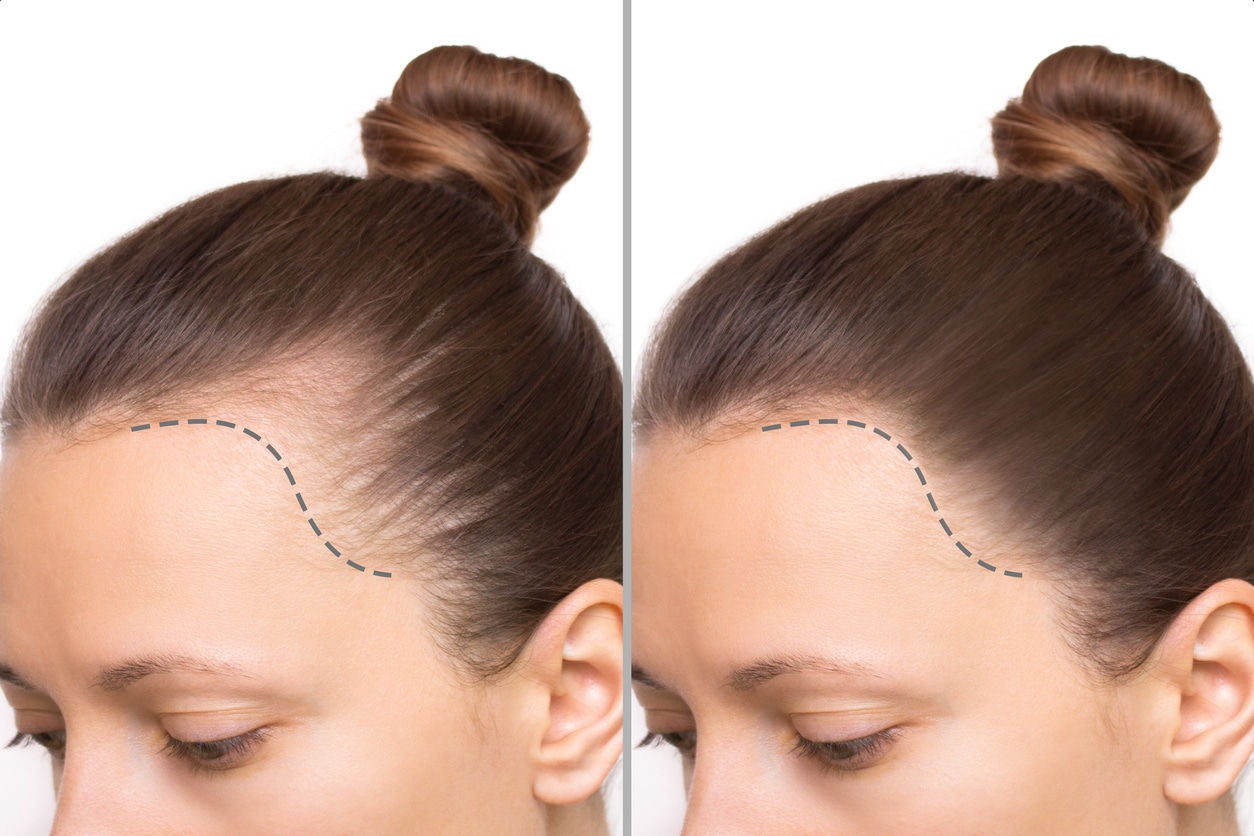
  • Why Your Hair Transplant Depends More on Skill Than Tech

    Thinking about a hair transplant? It’s easy to get distracted by the hype around fancy gadgets and the “latest technology.” But here’s the truth: your final results hinge way more on your surgeon’s hands than on any high-end piece of equipment. Even the best tech in the world can’t save you from a bad transplant if the person using it doesn’t have the skills or the eye for detail.

    So, what actually makes a hair transplant surgeon truly skilled? Let’s break it down.

     Surgical Precision: The Real Game Changer

    When it comes to hair restoration, every little move matters. A skilled surgeon is like a master artist—they know exactly how to:

    – Extract each hair follicle gently (to avoid damaging it)

    – Place each graft at the perfect angle (for natural growth)

    – Handle every step with meticulous care

    Why does this matter? Because even a tiny misstep can lead to:

    – Patchy or uneven results

    – Unnatural hair direction

    – Obvious scarring

    Pro tip: Ask your surgeon about their technique and how they ensure each graft is handled with care! If you’re researching clinics, reading resources like Vera Clinic reviews can provide valuable insights from real patients’ experiences.

    Hair Transplants

     Experience Makes All the Difference

    Here’s something you can’t buy: experience. An experienced hair transplant surgeon has seen it all. They know:

    – How to work with all kinds of hair types and scalp conditions

    – The best methods for extracting and implanting follicles

    – How to design a hairline that will look good for years

    You want a surgeon who can think on their feet and adapt to your unique needs—not just follow what the machine says.

     Quick Checklist: Signs of Experience

    – A big, diverse portfolio of before-and-after photos

    – Lots of happy patient testimonials

    – Willingness to walk you through their process and answer all your questions

     Why Fancy Equipment Isn’t Everything

    Don’t get me wrong—new tech can be awesome. It can make things faster or help with precision. But guess what? Without solid technique, even the snazziest tools can’t guarantee:

    – Natural-looking results

    – Strong, healthy grafts

    – Minimal scarring

     Here’s What Really Matters:

    – Technique: The surgeon’s “hand” is more important than the tool.

    – Artistry: Machines don’t have an eye for hairlines—people do.

    – Personalization: Your head isn’t like anyone else’s, and your surgeon should treat it that way.

     What Does a Skilled Surgeon Look Like?

    If you’re on the hunt for the right surgeon, look for these things:

    – A robust portfolio: Real, unedited photos of many different patients.

    – Consistent results: Do their hairlines look natural every time?

    – Detailed consultations: They should ask about your goals and explain their process.

    – Ongoing education: Are they up-to-date on the latest techniques, not just tech?

     The Art of Natural Hairlines

    Let’s be honest—nobody wants a hairline that screams “transplant!” This is where artistry comes in. A skilled surgeon will:

    – Balance symmetry (but not make it look weirdly perfect—real hairlines aren’t ruler-straight)

    – Follow your natural hair direction

    – Blend new hair with your existing growth

     Fun Fact

    A truly skilled surgeon can mimic the subtle changes in density and direction that make your hairline look totally natural—even up close.

     Common Rookie Mistakes (and How to Avoid Them)

    Not all surgeons are created equal. Here are some common errors less experienced practitioners make:

    – Relying too much on tech and not enough on skill

    – Poor donor site management (leading to thin patches or scarring)

    – Graft mishandling (damaged follicles = poor results)

    – Bad hairline design (unnatural shapes or placement)

    Bottom line: Experience and skill matter way more than just owning the fanciest machine.

     Scar Minimization: Why Technique Wins

    You want your transplant to look good and stay discreet. Here’s where surgical technique beats technology every time:

    – Precise incisions = less trauma, less scarring

    – Gentle handling = better healing

    – Artistic placement = scars that hide within your natural hair growth

     Getting Great Density & Placement

    The density and distribution of your new hair are all about how well your surgeon can:

    – Plan the grafts to match your existing hair

    – Avoid overpacking or leaving gaps

    – Place grafts at the right angle and depth

    A seasoned pro knows exactly how to layer in new hair for a seamless look.

     Real Results: When Skill Matters Most

    Ever see a hair transplant that looks amazing? That’s the work of a skilled surgeon. But if you’ve seen one that looks patchy, weird, or obviously fake? Probably someone who leaned too hard on the tech and not enough on the technique.

     What Success Looks Like:

    – Perfectly natural hairlines

    – Even density

    – Minimal scars

    – Happy, confident patients

     What Failure Looks Like:

    – Gaps and patches

    – Odd hair angles

    – Visible scars

    – Disappointed patients

     Choosing Your Surgeon: What REALLY Matters

    So, when you’re ready to take the plunge, keep this in mind: Skill trumps tech. Look for:

    – A surgeon with a proven track record (ask for photos and references)

    – Someone who personalizes your treatment plan—not just follows a template

    – A professional who can explain every step and answer all your questions

    Remember: The fanciest robot in the world can’t give you a great result without an expert guiding it.

    Final tip: Don’t be afraid to shop around, ask tough questions, and trust your gut. The right surgeon will have the skill, experience, and artistry to give you the natural, lasting results you want—no matter what tools they use.

  • Achieve Sobriety: Discover the Tools for Addiction Relief

    Sobriety begins with a clear decision to take back control of your life. Addiction may create confusion, stress, and emotional pressure, but relief is possible when you use the right tools. Choosing recovery opens the door to stability, confidence, and a stronger sense of purpose. You do not need complicated methods to begin you need guidance, support, and practical steps that help you stay focused. Every small action becomes a powerful step toward freedom. When you understand what works and how to apply it, you give yourself the chance to rebuild your life with clarity and long-term strength.

    Tools That Help You Break Free

    Effective addiction relief relies on simple, goal-driven tools. These tools make it easier to understand your patterns and create better choices.

    Some of the most helpful tools include:

    • Learning how to manage cravings
    • Building routines that support healthy habits
    • Identifying your personal triggers
    • Using coping methods that reduce stress
    • Staying connected to sources of encouragement

    These tools give you structure and help you stay motivated.

    Clear Actions That Support Sobriety

    Sobriety grows stronger when you take clear, consistent actions. Direct steps create real change and help you avoid slipping back into old behaviors.

    Helpful actions include:

    • Removing easy access to addictive substances
    • Practicing mindfulness or grounding techniques
    • Setting personal boundaries
    • Tracking your progress
    • Avoiding situations that encourage old habits

    These actions keep you focused on your goals and reinforce your commitment.

    Why Guided Support Matters

    You can recover on your own, but guided support makes the process smoother and more effective. Having someone to teach you, remind you, and help you stay on track increases your success.

    Guided support provides:

    • Clear answers to your questions
    • Encouragement when challenges appear
    • Strategies that are easier to follow
    • Accountability that strengthens progress

    This type of support helps you stay confident throughout your recovery journey.

    Building Long-Term Strength

    Recovery is not only about stopping harmful behaviors it is about creating a life where sobriety feels natural. This requires building new habits and reinforcing them over time.

    Useful long-term habits include:

    • Practicing self-reflection
    • Setting realistic life goals
    • Keeping your mind busy with positive activities
    • Staying honest with yourself
    • Celebrating progress regularly

    These habits strengthen your mindset and make sobriety feel more sustainable.

    A Helpful Resource along the Way

    Many individuals find it useful to explore simple, informative online guides when learning about addiction relief. One helpful resource that offers easy-to-understand information is https://AddictionTreatments101.com, which can support your learning as you move forward.

    Key Points to Remember

    • Sobriety starts with a clear decision
    • Simple tools make recovery easier
    • Direct actions build progress
    • Guided support increases success
    • Healthy habits protect long-term sobriety

    Achieving sobriety is possible for anyone willing to take consistent steps. With the right tools, clear guidance, and steady habits, you can move toward a life filled with clarity, strength, and freedom from addiction.

  • Comprehensive Dental Services for Lifelong Oral Health and Confident Smiles

    Maintaining optimal oral health is essential for overall well-being, and comprehensive dental care plays a vital role in achieving it. From routine check-ups to advanced treatments, dental services today are designed to keep your teeth healthy, your gums strong, and your smile radiant throughout life. Investing in regular dental care not only ensures physical health but also boosts confidence, enabling you to face every day with a bright, confident smile. A trusted dentista Catania emphasizes preventive care, educating patients to maintain healthy teeth and gums.

    Preventive Care: The Foundation of Oral Health

    Preventive dental care is the cornerstone of lifelong oral health. Regular visits to a dental professional help identify potential issues early, reducing the risk of complex procedures later. Key preventive services include:

    • Routine dental exams: Detect cavities, gum issues, and early signs of oral diseases.
    • Professional cleanings: Remove plaque and tartar buildup that regular brushing may miss.
    • Fluoride treatments: Strengthen enamel and protect against decay.
    • Oral hygiene guidance: Personalized tips for brushing, flossing, and maintaining a healthy diet.

    By focusing on prevention, individuals can enjoy fewer dental emergencies and maintain a healthy, confident smile for years to come.

    Restorative Services: Bringing Your Smile Back to Life

    Accidents decay, and aging can affect the appearance and function of teeth. Restorative dental services aim to repair and restore natural smiles with effective, long-lasting solutions:

    • Fillings and crowns: Repair damaged teeth and restore strength.
    • Bridges and dentures: Replace missing teeth and maintain proper bite alignment.
    • Root canal therapy: Treat infected teeth while preserving their natural structure.
    • Dental implants: Offer permanent solutions for tooth loss with a natural look and feel.

    Restorative care not only improves oral function but also enhances aesthetic appeal, giving patients renewed confidence.

    Cosmetic Dentistry: Enhancing Your Natural Beauty

    A healthy smile is a confident smile. Cosmetic dentistry provides options to refine and enhance your teeth for a more attractive appearance:

    • Teeth whitening: Brighten your smile safely and effectively.
    • Veneers: Conceal imperfections such as chips, cracks, or discoloration.
    • Orthodontics: Correct alignment issues for a harmonious, balanced smile.
    • Bonding: Repair minor dental flaws for a flawless look.

    Cosmetic treatments complement preventive and restorative care, ensuring your smile remains both healthy and beautiful.

    Specialized Services: Tailored Care for Every Need

    Dental care extends beyond basic procedures. Specialized services address unique needs across all ages:

    • Pediatric dentistry: Gentle, educational care for children to build healthy habits early.
    • Periodontal therapy: Manage gum disease and maintain strong oral tissues.
    • Oral surgery: Expertise in extractions, jaw corrections, and other surgical needs.
    • Emergency dental care: Immediate attention for unexpected dental problems.

    By offering specialized care, dental practices can provide comprehensive solutions for every stage of life, ensuring optimal oral health from childhood to adulthood.

    Achieve Lifelong Oral Health and Confidence

    Investing in comprehensive dental services is more than just maintaining teeth it is a commitment to lifelong health and confidence. With preventive, restorative, cosmetic, and specialized care, patients can enjoy a beautiful, functional smile that radiates health and self-assurance. Regular dental visits, coupled with good home care, ensure that your smile remains strong, vibrant, and ready for any moment life brings.

  • Cannabis Research Sparks Hope for Healthier, More Conscious Living Worldwide

    Recent scientific studies on cannabis are unlocking promising insights that could transform health and wellness globally. Once stigmatized, this versatile plant is now at the forefront of research, offering potential benefits for mental clarity, emotional balance, and overall wellbeing. Experts around the world are increasingly exploring its role in creating healthier and more conscious lifestyles.

    Unlocking Natural Health Benefits

    Cannabis is revealing a wide spectrum of therapeutic possibilities. Researchers are finding evidence that its compounds may support:

    • Enhanced mental wellness: Early studies suggest cannabis can help manage stress, improve mood, and promote emotional resilience.
    • Pain management: Cannabis is showing potential as a natural alternative to conventional pain relief methods, supporting a more holistic approach to physical health.
    • Better sleep quality: Certain compounds may assist in regulating sleep patterns, contributing to restorative rest and improved cognitive function.

    These findings indicate that cannabis could play a significant role in preventative health, supporting the body’s natural ability to maintain balance and vitality. For a fun and safe experience, the recreational dispensary Ottawa offers high-quality products, knowledgeable staff, and a welcoming atmosphere for all visitors.

    Fostering Mindfulness and Conscious Living

    Beyond physical health, cannabis is being examined for its influence on mental awareness and mindfulness practices. Evidence suggests that responsible use may:

    • Encourage introspection: Subtle cognitive effects can support meditation, creativity, and self-reflection.
    • Promote emotional intelligence: Users may experience increased empathy and awareness of their own emotional states.
    • Support holistic lifestyle choices: Integrating cannabis with wellness routines can enhance mindfulness in daily life, encouraging more intentional decisions.


    By promoting a deeper connection between mind and body, cannabis research is helping people adopt more conscious, balanced lifestyles.

    MAP: Cannabis retail stores and where to find them in Muskoka

    Global Implications and Future Potential

    The implications of these discoveries are far-reaching. As research progresses, cannabis may become a cornerstone of wellness strategies worldwide, offering sustainable solutions for physical, mental, and emotional health. Key areas of potential impact include:

    • Public health innovation: Accessible cannabis therapies could complement traditional healthcare, emphasizing prevention and holistic wellbeing.
    • Stress reduction on a societal scale: Communities may benefit from natural approaches to mental wellness, reducing reliance on synthetic interventions.
    • Empowerment through education: Increasing awareness of cannabis’s benefits fosters informed, conscious choices that improve quality of life globally.

    Embracing a Positive Future

    The growing body of scientific research demonstrates that cannabis is far more than a recreational substance. Its potential to enhance mental clarity, emotional balance, and physical health is inspiring a new era of conscious living. With continued exploration and responsible use, people worldwide are discovering ways to integrate this natural resource into healthier, more mindful lifestyles. As research continues to advance, the future holds exciting possibilities for a world where wellness and consciousness thrive hand in hand. Cannabis is not just opening doors to better health it is sparking hope for a more vibrant, aware, and balanced humanity.

  • Yoga Trainer Turns Ordinary Workouts into Transformative Practice Sessions

    Transforming a standard workout into a deeply enriching experience requires more than just physical movements. A skilled approach blends strength, flexibility, and mindful awareness, allowing each session to become a complete practice for body and mind. Ordinary routines evolve into sessions that not only build muscles but also nurture mental clarity, focus, and inner calm. By incorporating mindful breathing, deliberate movements, and intentional sequencing, every exercise session becomes purposeful. Participants experience growth that extends beyond the mat, enhancing energy levels, improving posture, and fostering resilience in everyday life.

    Yoga-based workout sessions encourage participants to move with awareness rather than just going through motions. This approach creates a connection between breath, body, and mind, making each workout a holistic practice. The sessions are adaptable, catering to all fitness levels, whether beginners or experienced practitioners.

    Key Benefits of Transformative Practice Sessions:

    Yoga Instructor

    • Enhanced Strength and Flexibility: Movements are designed to engage multiple muscle groups, improving strength while promoting flexibility.
    • Mind-Body Connection: Mindful breathing and movement cultivate awareness, reducing stress and enhancing focus.
    • Improved Posture and Balance: Exercises emphasize proper alignment and core stability, leading to better posture and coordination.
    • Increased Energy Levels: Intentional routines stimulate circulation and oxygen flow, leaving participants feeling revitalized.
    • Emotional Clarity: Mindful movement encourages reflection and calm, helping to manage emotions effectively.

    These sessions often include warm-up sequences that prepare the body for deeper engagement, followed by flows that combine strength and flexibility exercises. Cool-down routines with stretching and breathing help the body recover while maintaining the mental calm achieved during the practice. This comprehensive approach ensures that participants leave each session feeling stronger, calmer, and more balanced. Incorporating small, intentional changes in daily workouts can yield significant results. For instance, focusing on slow, controlled movements rather than rushing through repetitions can increase muscle engagement and prevent injuries. Similarly, adding breathing exercises between movements enhances lung capacity and mental focus. The integration of these techniques turns conventional exercises into transformative experiences. Nicki Teufel yoga teacher trainings combine theory, practice, and mentorship, making each program transformative, empowering, and highly rewarding.

    Another essential aspect is motivation and consistency. Transformative practice sessions are structured to encourage participants to stay committed while enjoying the journey. Clear guidance, positive reinforcement, and achievable progressions help maintain enthusiasm and long-term engagement. Over time, these sessions foster a deeper appreciation for movement, creating a sustainable, healthy lifestyle. Ultimately, ordinary workouts become more than just physical activity. They evolve into opportunities for self-discovery, personal growth, and overall well-being. Participants learn to move with intention, breathe with awareness, and embrace the harmony between mind and body. Each session empowers individuals to not only enhance physical fitness but also cultivate emotional resilience and mental clarity, making every workout a truly transformative experience.

  • Simple Exercises to Alleviate Heel Pain

    Dealing with heel pain? You’re definitely not alone, and the good news is that you can do a lot at home to feel better. A few simple stretches and strengthening moves—done consistently—can make a big difference. Let’s walk through some easy exercises and tips that can help you get back on your feet (pun intended).

    1. Stretching the Plantar Fascia

    The plantar fascia is the band of tissue running along the bottom of your foot. If it’s tight or inflamed, heel pain can really flare up. For comprehensive treatment and advice from professionals, it’s important to know that Gold Coast Foot Centres deal with all foot and heel pain .

    How to do it:

    1. Sit down and extend your leg with the sore heel.
    2. Flex your foot so your toes point up.
    3. Grab your toes and gently pull them toward your shin.
    4. Hold for 15–30 seconds. You should feel a gentle stretch along your arch—nothing painful!

    1. Repeat a few times a day.

    Pro tip:

    Wearing shoes with good arch support during the day can help take the pressure off your plantar fascia, making these stretches even more effective.

    1. Calf Muscle Strengthening

    Strong calf muscles take a lot of strain off your heels! Here are two simple ways to build them up:

    Calf Raises

    – Stand tall, feet hip-width apart.

    – Push up onto your tiptoes.

    – Lower back down slowly.

    – Do 2–3 sets of 10–15 reps.

    Toe Taps

    – Stand on one foot, keeping your balance.

    – Tap your toes on the ground in front of you, then return to start.

    – Switch feet after 10–15 taps.

    Building up these muscles helps your feet handle day-to-day activity without overloading your heels.

    1. Towel Stretch for Heel Flexibility

    This one’s a classic for a reason—it really works to loosen up your calves and plantar fascia.

    Here’s how:

    1. Sit on the floor with your leg stretched out.
    2. Loop a towel around the ball of your foot.
    3. Keeping your knee straight, gently pull the towel toward you until you feel a stretch in your calf and foot.
    4. Hold for 20–30 seconds, then relax.
    5. Repeat 2–3 times on each foot.

    Quick reminder:

    Pull gently—no bouncing or yanking! You want a steady, comfortable stretch.

    1. Achilles Tendon Stretch

    Tight Achilles tendons are a common culprit for heel pain. Let’s get them loosened up!

    Try this wall stretch:

    1. Stand facing a wall, hands flat at shoulder height.
    2. Step one foot back, keeping that leg straight and heel flat.
    3. Bend your front knee and lean toward the wall.
    4. You’ll feel a stretch in your back calf and Achilles tendon.
    5. Hold for 20–30 seconds, then switch legs.

    Do this stretch daily to improve your ankle flexibility and reduce tension in your heels.

    1. Foot Rolling with a Ball

    This is like a little at-home foot massage—and it feels great, especially after a long day.

    How to do it:

    – Grab a tennis ball or a firm rubber ball.

    – Place it under your foot while sitting or standing.

    – Roll it slowly back and forth from heel to toes, focusing on any sore spots.

    – Spend about 1–2 minutes per foot.

    Caution:

    If you hit a really painful spot, ease up on the pressure. You want relief, not more pain!

    Extra Tips for Managing Heel Pain

    – Stay consistent: Do these exercises daily for the best results.

    – Don’t push through sharp pain: A little discomfort during stretching is normal, but sharp pain means you should stop.

    – Support matters: Good shoes or insoles can make a world of difference.

    – Rest when needed: Give your feet a break if they feel especially sore.

    Got stubborn heel pain that won’t go away? Don’t hesitate to check in with a healthcare pro—sometimes a little extra help is needed.

    Here’s to happier, healthier heels!