Arterial bleeding is a serious medical emergency that requires immediate attention and calm action. Because arteries carry oxygen-rich blood throughout the body, heavy bleeding can happen very quickly. What is the most effective way to stop an arterial bleed when there is no object still in the wound? Learning the correct techniques can help reduce blood loss, improve safety, and support recovery until professional medical care arrives.
Recognizing Arterial Bleeding Quickly
Identifying arterial bleeding early is extremely important. This type of bleeding often appears more severe than other wounds.
Common Signs to Watch For
- Bright red blood flowing rapidly
- Blood spurting in rhythm with the heartbeat
- Large amounts of blood loss within minutes
- Weakness or dizziness in the injured person
- Pale or clammy skin
- Fast breathing or confusion
Quick recognition allows faster response and better control of the situation.
Stay Calm and Focused
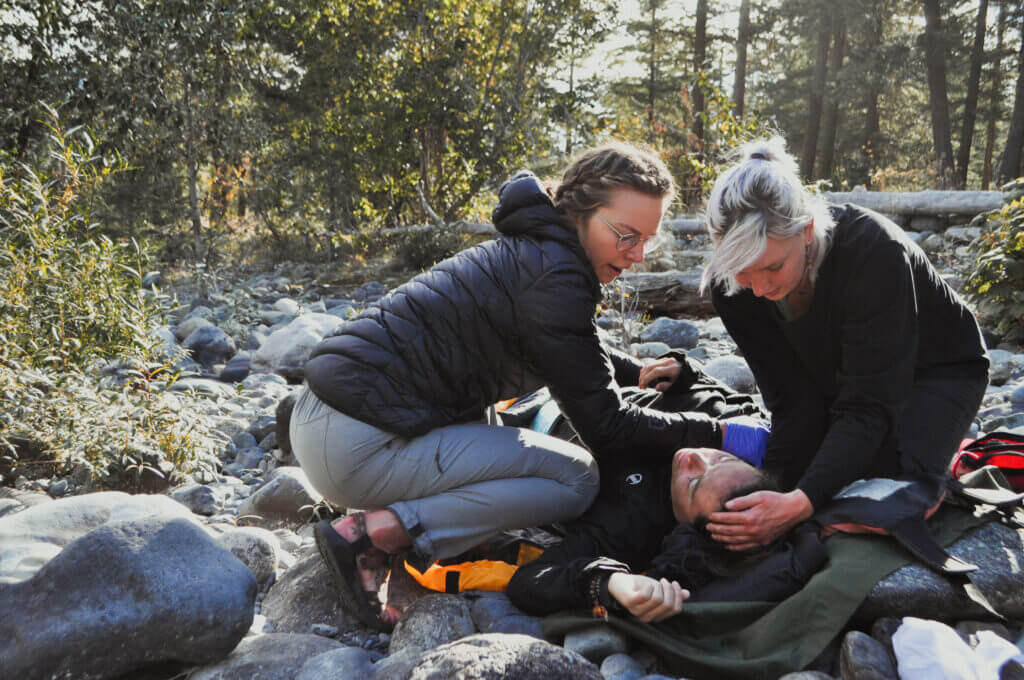
Remaining calm helps improve decision-making during emergencies. Panic can delay important actions, while a focused approach increases the chances of effective bleeding control.
Important First Actions
- Ensure the area is safe
- Call emergency medical services immediately
- Put on protective gloves if available
- Position the injured person safely
- Keep communication clear and reassuring
A calm environment can help the injured person feel more secure and cooperative.
Apply Direct Pressure Immediately
Direct pressure is one of the most effective ways to slow or stop arterial bleeding.
How to Apply Pressure Correctly
- Use a clean cloth, dressing, or bandage
- Press firmly over the wound
- Maintain constant pressure without lifting frequently
- Use both hands if necessary
- Continue pressure until help arrives or bleeding stops
Strong and continuous pressure encourages clot formation and reduces blood flow from the damaged artery.
Elevate the Injured Area When Possible
If the injury involves an arm or leg and no fracture is suspected, carefully raise the limb above heart level.
Benefits of Elevation
- Helps reduce blood flow to the wound
- Supports pressure techniques
- May slow active bleeding
- Improves overall bleeding control
Elevation should always be combined with direct pressure for the best results.
Use a Pressure Bandage Securely
Once bleeding begins to slow, securing the wound with a pressure bandage can help maintain stability.
Helpful Tips
- Wrap the bandage firmly but not excessively tight
- Ensure circulation remains present below the injury
- Add extra padding if blood soaks through
- Avoid removing the original dressing unnecessarily
A properly secured dressing keeps pressure consistent and protects the wound.
Monitor the Person Carefully
Continuous observation is very important after initial bleeding control.
Watch for Warning Signs
- Difficulty staying awake
- Rapid pulse
- Shallow breathing
- Increased weakness
- Cool or pale skin
Keeping the person warm and still may help support comfort while waiting for emergency care.
Avoid Common Mistakes
Certain actions can worsen bleeding or delay proper treatment.
Actions to Avoid
- Do not panic or rush care
- Do not remove deeply embedded objects
- Do not repeatedly check the wound unnecessarily
- Do not apply unclean materials directly to the injury
- Do not ignore signs of shock
Smart and steady actions improve overall safety during emergencies.
Understanding how to stop arterial bleeding effectively can make a major difference during critical situations. Rapid recognition, firm direct pressure, careful monitoring, and calm decision-making are all essential steps. With proper preparation and confidence, anyone can provide valuable assistance and help protect a person from severe blood loss until professional medical support becomes available.