

Thinking about a hair transplant? It’s easy to get distracted by the hype around fancy gadgets and the “latest technology.” But here’s the truth: your final results hinge way more on your surgeon’s hands than on any high-end piece of equipment. Even the best tech in the world can’t save you from a bad transplant if the person using it doesn’t have the skills or the eye for detail.
So, what actually makes a hair transplant surgeon truly skilled? Let’s break it down.
Surgical Precision: The Real Game Changer
When it comes to hair restoration, every little move matters. A skilled surgeon is like a master artist—they know exactly how to:
– Extract each hair follicle gently (to avoid damaging it)
– Place each graft at the perfect angle (for natural growth)
– Handle every step with meticulous care
Why does this matter? Because even a tiny misstep can lead to:
– Patchy or uneven results
– Unnatural hair direction
– Obvious scarring
Pro tip: Ask your surgeon about their technique and how they ensure each graft is handled with care! If you’re researching clinics, reading resources like Vera Clinic reviews can provide valuable insights from real patients’ experiences.
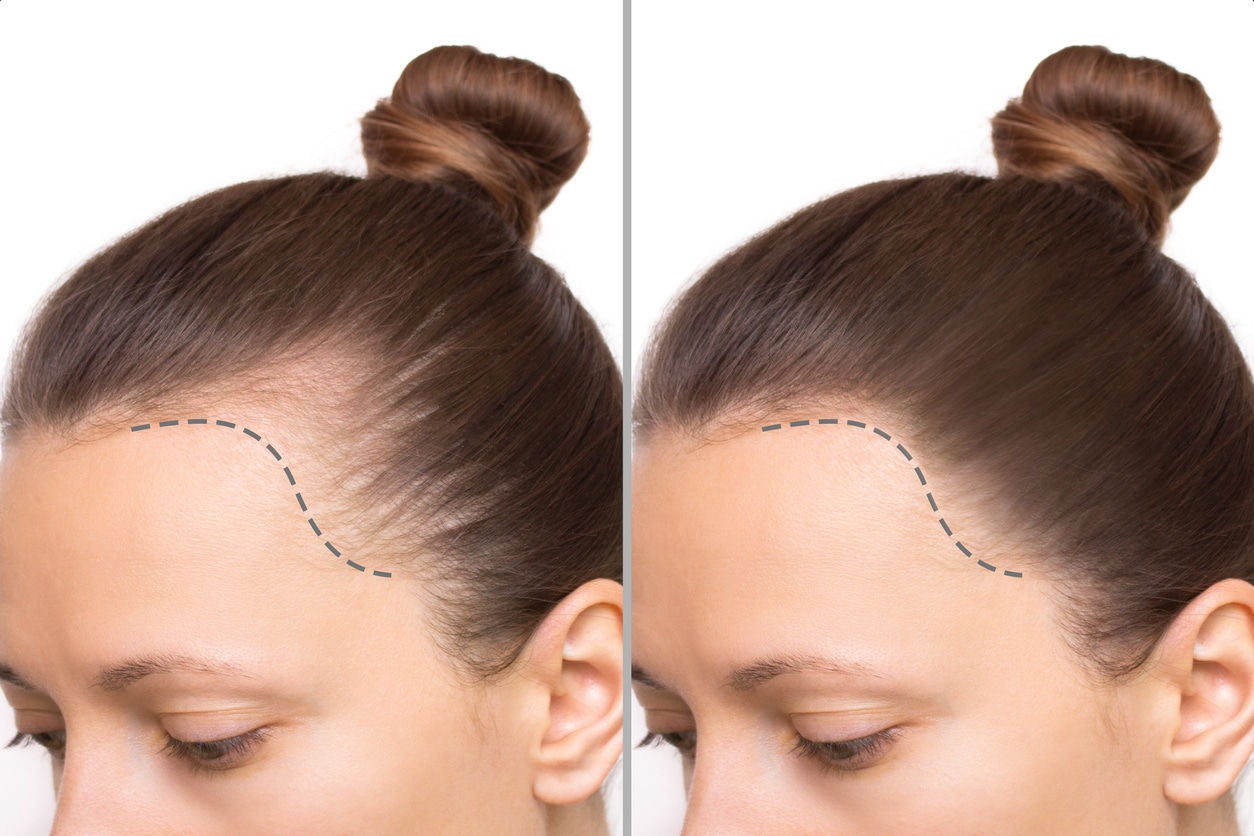
Experience Makes All the Difference
Here’s something you can’t buy: experience. An experienced hair transplant surgeon has seen it all. They know:
– How to work with all kinds of hair types and scalp conditions
– The best methods for extracting and implanting follicles
– How to design a hairline that will look good for years
You want a surgeon who can think on their feet and adapt to your unique needs—not just follow what the machine says.
Quick Checklist: Signs of Experience
– A big, diverse portfolio of before-and-after photos
– Lots of happy patient testimonials
– Willingness to walk you through their process and answer all your questions
Why Fancy Equipment Isn’t Everything
Don’t get me wrong—new tech can be awesome. It can make things faster or help with precision. But guess what? Without solid technique, even the snazziest tools can’t guarantee:
– Natural-looking results
– Strong, healthy grafts
– Minimal scarring
Here’s What Really Matters:
– Technique: The surgeon’s “hand” is more important than the tool.
– Artistry: Machines don’t have an eye for hairlines—people do.
– Personalization: Your head isn’t like anyone else’s, and your surgeon should treat it that way.
What Does a Skilled Surgeon Look Like?
If you’re on the hunt for the right surgeon, look for these things:
– A robust portfolio: Real, unedited photos of many different patients.
– Consistent results: Do their hairlines look natural every time?
– Detailed consultations: They should ask about your goals and explain their process.
– Ongoing education: Are they up-to-date on the latest techniques, not just tech?
The Art of Natural Hairlines
Let’s be honest—nobody wants a hairline that screams “transplant!” This is where artistry comes in. A skilled surgeon will:
– Balance symmetry (but not make it look weirdly perfect—real hairlines aren’t ruler-straight)
– Follow your natural hair direction
– Blend new hair with your existing growth
Fun Fact
A truly skilled surgeon can mimic the subtle changes in density and direction that make your hairline look totally natural—even up close.
Common Rookie Mistakes (and How to Avoid Them)
Not all surgeons are created equal. Here are some common errors less experienced practitioners make:
– Relying too much on tech and not enough on skill
– Poor donor site management (leading to thin patches or scarring)
– Graft mishandling (damaged follicles = poor results)
– Bad hairline design (unnatural shapes or placement)
Bottom line: Experience and skill matter way more than just owning the fanciest machine.
Scar Minimization: Why Technique Wins
You want your transplant to look good and stay discreet. Here’s where surgical technique beats technology every time:
– Precise incisions = less trauma, less scarring
– Gentle handling = better healing
– Artistic placement = scars that hide within your natural hair growth
Getting Great Density & Placement
The density and distribution of your new hair are all about how well your surgeon can:
– Plan the grafts to match your existing hair
– Avoid overpacking or leaving gaps
– Place grafts at the right angle and depth
A seasoned pro knows exactly how to layer in new hair for a seamless look.
Real Results: When Skill Matters Most
Ever see a hair transplant that looks amazing? That’s the work of a skilled surgeon. But if you’ve seen one that looks patchy, weird, or obviously fake? Probably someone who leaned too hard on the tech and not enough on the technique.
What Success Looks Like:
– Perfectly natural hairlines
– Even density
– Minimal scars
– Happy, confident patients
What Failure Looks Like:
– Gaps and patches
– Odd hair angles
– Visible scars
– Disappointed patients
Choosing Your Surgeon: What REALLY Matters
So, when you’re ready to take the plunge, keep this in mind: Skill trumps tech. Look for:
– A surgeon with a proven track record (ask for photos and references)
– Someone who personalizes your treatment plan—not just follows a template
– A professional who can explain every step and answer all your questions
Remember: The fanciest robot in the world can’t give you a great result without an expert guiding it.
Final tip: Don’t be afraid to shop around, ask tough questions, and trust your gut. The right surgeon will have the skill, experience, and artistry to give you the natural, lasting results you want—no matter what tools they use.