Category: Business

  • How Concrete Leveling Fixes Uneven Slabs Without Ripping Everything Out

    Concrete doesn’t “go bad.” The ground under it does.

    When a driveway, patio, or sidewalk starts pitching the wrong way, the slab is usually fine structurally, it’s just lost support. Concrete leveling restores that support by injecting material under the slab, lifting it back where it belongs with far less mess than demolition.

    And yes, it can look a little like magic the first time you see it.

    So what’s actually happening under the surface?

    Picture your slab like a rigid tabletop. If one leg sinks into soft soil, the top tilts. Concrete leveling restores uneven slabs by rebuilding the missing “leg” by filling voids under the slab.

    Most contractors do this with one of two families of materials:

    – Cementitious grout (mudjacking/pressure grouting): heavier, more traditional, often great for larger commercial slabs

    – Polyurethane foam (polyjacking): lighter, fast-curing, high control, usually smaller injection holes

    Both approaches rely on the same idea: controlled injection pressure + a material that flows into empty space = lift and support.

    Now, this won’t apply to everyone, but if you’ve got a slab that’s shattered into multiple moving pieces, leveling isn’t “repair,” it’s lipstick. That’s where replacement starts to make more sense.

    Hot take: Tearing out concrete is wildly overprescribed
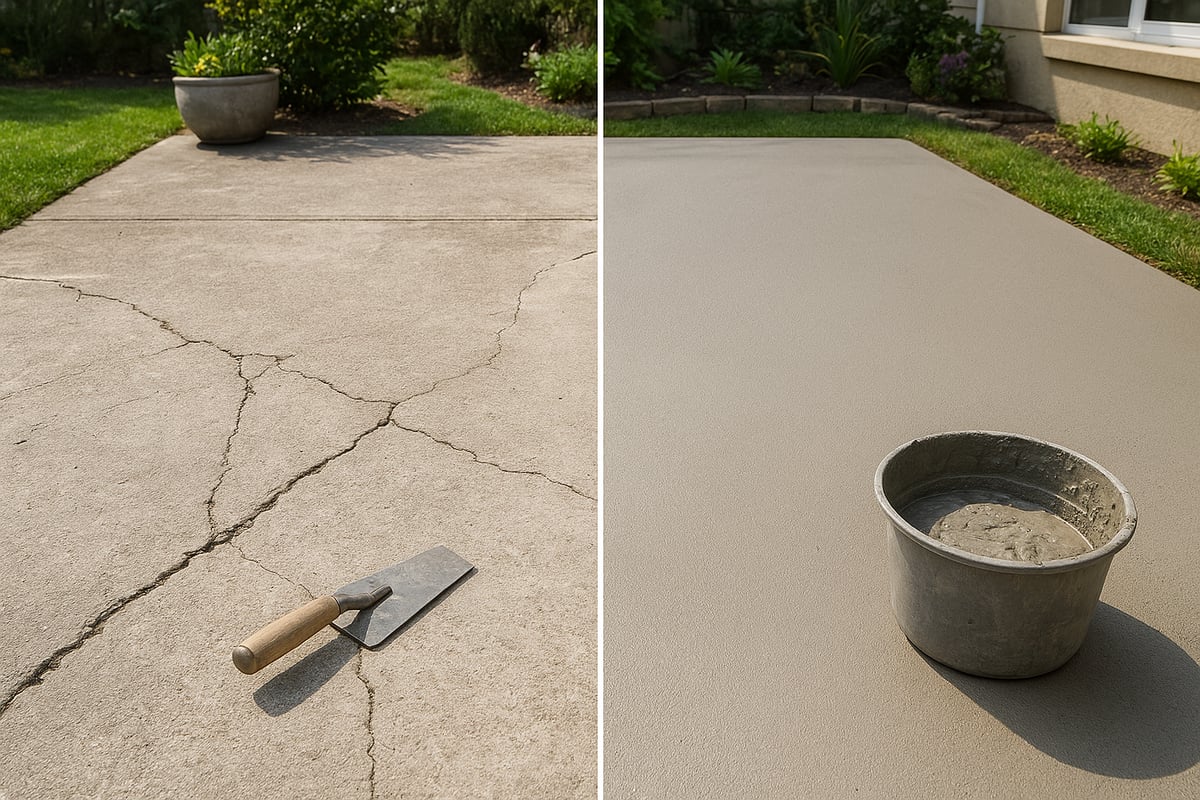
    Concrete Leveling

    I’ve seen homeowners get pitched full replacement when the slab is basically intact and just needs its subgrade restored. Demolition has its place, sure. But it’s loud, expensive, slow, and it trashes landscaping in the process.

    Leveling is often the more adult choice: fix the cause (lost support) and keep the slab you already paid for.

    One line, because it’s true:

    A level slab is mostly a soil problem, not a concrete problem.

    The process (what a good crew actually does)

    Some contractors make this sound like “drill holes, pump stuff, done.” That’s the sloppy version. The controlled version looks more like a surgical procedure.

    1) Measure and map the slab

    Laser level, string lines, digital levels, whatever the crew uses, they should be able to show you high points, low points, and target elevations. Guessing is how you get over-lifted corners and weird humps.

    2) Pick injection locations based on load paths

    This is one of those technical details that separates pros from people with rented gear. You don’t just inject where it’s low, you inject where support is missing and where the slab will respond predictably.

    3) Drill small access holes

    Foam leveling often uses smaller holes than grout methods. Either way, holes get patched afterward, but you should expect to see them (anyone promising “invisible” patches is selling optimism).

    4) Inject in stages, watching lift in real time

    Here’s the thing: lifting isn’t brute force. It’s pressure + patience. Skilled techs pulse material in, let it move and settle, then add more. They’re watching for binding, cracking, or the slab “bridging” over a void without actually filling it.

    5) Patch, clean, and verify final grade

    Final elevations should be checked again, especially at transitions like garage floors, steps, door thresholds, and drain paths.

    A quick stat, because people always ask about longevity

    Polyurethane foam used for geotechnical and slab lifting applications is often specified at compressive strengths that can exceed 50 psi depending on formulation and density, which is well above what many residential slabs demand from subgrade support. Source: U.S. Army Corps of Engineers, Engineering and Design: Void Filling and Stabilization Using Polyurethane (technical guidance documents and specs used across projects).

    Translation (friend version): the foam itself usually isn’t the weak link, the soil and water are.

    When leveling beats replacement (and when it doesn’t)

    Leveling is a strong fit when…

    You’ve got settlement, voids, or a slab that’s tilted but mostly intact. Common winners:

    – Sidewalk trip hazards

    – Driveway panels that sank near edges or joints

    – Patios that now drain toward the house (a classic)

    – Garage aprons settling at the seam

    Leveling early also tends to limit crack growth, because differential movement is what widens cracks over time. Stabilize the base, reduce the stress.

    Replacement is usually smarter when…

    No sugarcoating this: some slabs are done.

    – The concrete is severely fractured into multiple independent pieces

    – The subgrade is actively washing out and you’re not fixing drainage

    – Tree roots are continuing to heave the slab (you can lift it today, but the tree will argue tomorrow)

    – You need major re-grading beyond what lifting can safely achieve

    Voids, water, and the real villain: drainage

    Voids happen for a few reasons, but water is the repeat offender.

    Downspouts dumping next to a slab. Sprinklers saturating the base. Poor grading that funnels runoff under concrete. You can inject all the foam or grout you want, but if water keeps moving soil, you’re paying to replay the same movie.

    In my experience, the best leveling jobs include at least a basic drainage plan: extend downspouts, adjust grade, seal joints where water is pouring through, and keep erosion from restarting the problem.

     “Okay, but how disruptive is it really?”

    Not very. That’s the appeal.

    Most leveling work is done with portable equipment and finishes in hours, not days. Cure times vary, foam can often support foot traffic quickly, while cementitious grout can need longer depending on mix and moisture conditions.

    You won’t get a perfect, untouched surface afterward, though.

    You’ll get a flatter slab, patched injection points, and (if the contractor knows what they’re doing) a surface that drains correctly again.

    Common slab scenarios (and the method I usually prefer)

    Uniformly sunken slabs

    If an entire panel dropped evenly, foam is often fantastic because it can lift with tight control and minimal added weight. Grout can work too, but you’re adding mass to already weak soil.

    Corner/edge settling

    Targeted injections along the perimeter and near joints. A careful operator can sneak up on elevation without popping the middle into a dome.

    Big isolated depressions

    This is where staging matters. Lift a little, let it stabilize, lift again. One aggressive shot can crack the slab or create a high spot you’ll hate forever.

    Slab pulling away from a structure

    Treat this like precision work. Door thresholds, steps, foundation edges, these areas can bind. Sometimes the right move is “improve it safely,” not “force it perfectly flush.”

    Costs: what drives the price (and what should worry you)

    Pricing varies a lot by region and access, so I’m not going to throw a fake universal number at you. The real drivers tend to be:

    – Total square footage and thickness

    – Amount of lift needed (a gentle nudge vs. several inches is a different job)

    – Access constraints (tight gates, steep slopes, delicate hardscape)

    – Material choice (foam vs. grout)

    – Surface restoration needs (coatings, pavers, decorative finishes)

    One opinion I’ll stand by: if the estimate is vague, the job will be vague too. You want injection locations, target elevations, and what happens if the slab doesn’t respond evenly.

    Hiring a leveling pro: the questions that actually matter

    Some questions are nice. These are the ones that change outcomes:

    – What material are you using and why for this soil/slab?

    – How do you confirm voids and plan injection points? (If they say “we just know,” that’s… not ideal.)

    – What’s the risk of over-lift or cracking here, and how do you prevent it?

    – Will you address drainage recommendations in writing?

    – What does the warranty cover, re-settlement, cracking, or just the injected material?

    Also: ask to see before/after photos of jobs that look like yours, not just the prettiest driveway they’ve ever touched.

    After the repair: what you’ll notice

    Expect things to feel solid quickly, especially with foam. Minor movement can happen in the first couple days as materials finish curing and the slab re-equilibrates with its base.

    A simple maintenance rhythm works:

    Check drainage after heavy rain.

    Keep downspouts moving water away.

    Watch joints and cracks for changes, not for existence (concrete cracks; dramatic changes are what matter).

    If the slab starts drifting again within a short window, don’t rationalize it. Call the installer and have them evaluate soil and water behavior around the site. The fix isn’t always “more foam.” Sometimes it’s a downspout extension and a shovel.

    That’s the unglamorous truth. It’s also the one that makes repairs last.

  • Comfortable Daily Commutes Made Easy By Trusted Taxi Service

    Reliable transportation plays an important role in making everyday routines more convenient and stress-free. Whether traveling for work, appointments, shopping, or personal commitments, a trusted taxi service offers a comfortable and dependable way to reach destinations on time. With professional drivers, well-maintained vehicles, and customer-focused service, daily commuting becomes a smooth and enjoyable experience.

    Convenience That Supports Busy Schedules

    A dependable taxi service helps passengers save valuable time throughout the day. Instead of worrying about parking, traffic management, or vehicle maintenance, travelers can focus on their priorities while enjoying a comfortable ride.

    Key Convenience Benefits

    • Easy access to transportation when needed
    • Timely pickups and drop-offs
    • Reduced travel-related stress
    • Flexible scheduling options
    • Comfortable seating for daily journeys
    • Suitable for both short and long-distance travel
    • Reliable transportation during peak hours
    • Professional assistance when required

    Comfort Enhances Everyday Travel

    Taxi Service Providers

    Comfort is one of the most valued features of a trusted taxi service. Clean interiors, smooth rides, and attentive service contribute to a pleasant commuting experience.

    Features That Improve Passenger Comfort

    • Spacious and well-maintained vehicles
    • Clean and hygienic environments
    • Climate-controlled interiors
    • Smooth driving practices
    • Quiet and relaxing travel atmosphere
    • Ample space for personal belongings
    • Comfortable seating arrangements
    • Consistent ride quality

    These advantages help passengers arrive at their destinations feeling refreshed and prepared for their activities.

    Professional Drivers Improve Travel Confidence

    Experienced drivers contribute significantly to a positive commuting experience. Their knowledge, courtesy, and commitment to safety create a dependable transportation solution for daily travelers.

    Advantages Of Professional Drivers

    • Strong familiarity with travel routes
    • Focus on passenger safety
    • Courteous and respectful interactions
    • Efficient navigation skills
    • Consistent service quality
    • Reliable arrival times
    • Professional appearance and conduct
    • Commitment to customer satisfaction

    Flexible Solutions For Various Travel Needs

    Trusted taxi services are suitable for a wide range of transportation requirements. From routine commuting to special travel arrangements, passengers can enjoy dependable support for different occasions.

    Common Travel Purposes

    • Daily office commutes
    • Educational visits
    • Medical appointments
    • Shopping trips
    • Family outings
    • Social gatherings
    • Business meetings
    • Transportation for visitors

    For travelers planning longer journeys, many transportation providers also offer Outstation Taxi options that combine comfort, convenience, and reliability for extended travel requirements.

    A Smarter Way To Travel Every Day

    Choosing a trusted taxi service can transform daily commuting into a more comfortable and efficient experience. Consistent reliability, professional service, and passenger-focused convenience help simplify transportation needs while enhancing overall travel satisfaction.

    Why Many Travelers Prefer Trusted Taxi Services

    • Dependable transportation solutions
    • Comfortable travel environments
    • Professional and experienced drivers
    • Flexible travel options
    • Time-saving convenience
    • Enhanced peace of mind
    • Consistent service standards
    • Positive commuting experiences

    With the right taxi service, everyday travel becomes easier, more comfortable, and better suited to modern lifestyle demands.

  • Commemorate Special Milestones with Beautifully Crafted Military Challenge Coins

    Military challenge coins hold a unique place in recognizing accomplishments, celebrating dedication, and preserving meaningful memories. Beautifully crafted coins serve as lasting reminders of important milestones, making them treasured keepsakes for years to come. Whether honoring achievements, commemorating special events, or recognizing outstanding contributions, these coins combine craftsmanship, symbolism, and pride in a memorable way.

    Why Military Challenge Coins Are Meaningful

    Military challenge coins are valued because they represent more than a simple token. They reflect commitment, perseverance, and accomplishment.

    Key Benefits

    • Celebrate important milestones with lasting significance
    • Recognize dedication and exceptional performance
    • Create meaningful keepsakes that can be treasured for generations
    • Strengthen a sense of pride and belonging
    • Highlight personal and collective achievements
    • Preserve memories in a tangible and elegant form

    Their timeless appeal makes them suitable for commemorating both individual and group accomplishments.

    Features That Make Challenge Coins Special

    Military Coin

    Beautifully crafted military challenge coins stand out through thoughtful design and attention to detail.

    Popular Design Elements

    • Detailed emblems and symbolic artwork
    • Inspirational mottos and meaningful messages
    • Custom shapes and distinctive borders
    • Raised and textured surfaces for added depth
    • High-quality finishes for a polished appearance
    • Vibrant colors that enhance visual appeal

    These features help transform each coin into a unique representation of an important milestone.

    Milestones worth Celebrating

    Challenge coins can mark a wide range of memorable occasions and achievements.

    Common Uses

    • Service anniversaries
    • Leadership accomplishments
    • Team achievements
    • Retirement celebrations
    • Training completions
    • Promotion recognitions
    • Special ceremonies
    • Significant personal milestones

    Each coin serves as a reminder of dedication, hard work, and success.

    Creating a Lasting Impression

    A thoughtfully designed coin can leave a positive and enduring impact on recipients.

    Advantages of Custom Craftsmanship

    • Reflects the significance of the occasion
    • Demonstrates appreciation and respect
    • Encourages motivation and pride
    • Creates a strong emotional connection
    • Becomes a cherished collectible item
    • Enhances the value of recognition programs

    Many people appreciate receiving a keepsake that represents their achievements in a meaningful and memorable way.

    A Timeless Way to Preserve Memories

    Military challenge coins continue to be one of the most respected forms of recognition because they combine beauty, symbolism, and lasting value. Their ability to commemorate milestones while honoring dedication makes them a meaningful choice for celebrating achievements of all kinds.

    For those seeking inspiration and quality craftsmanship, many enthusiasts choose to explore options and design ideas when they visit the Elite Custom Coins website to discover ways to create memorable coins that honor important accomplishments. A beautifully crafted challenge coin serves as a lasting symbol of pride, achievement, and treasured memories that can be appreciated for years to come.

  • Innovative Pneumatic Component Technology Enhances Industrial Workflow Performance

    Industrial operations continue to achieve greater efficiency through the adoption of innovative pneumatic component technology. Modern pneumatic systems help streamline production activities, improve consistency, and support reliable equipment performance. With advanced designs and enhanced functionality, these components contribute to smoother workflows while maintaining high standards of productivity across various industrial processes.

    The Importance of Advanced Pneumatic Technology

    Innovative pneumatic components play a valuable role in optimizing workflow performance. Their ability to deliver precise motion control and dependable operation helps industries maintain efficient production environments.

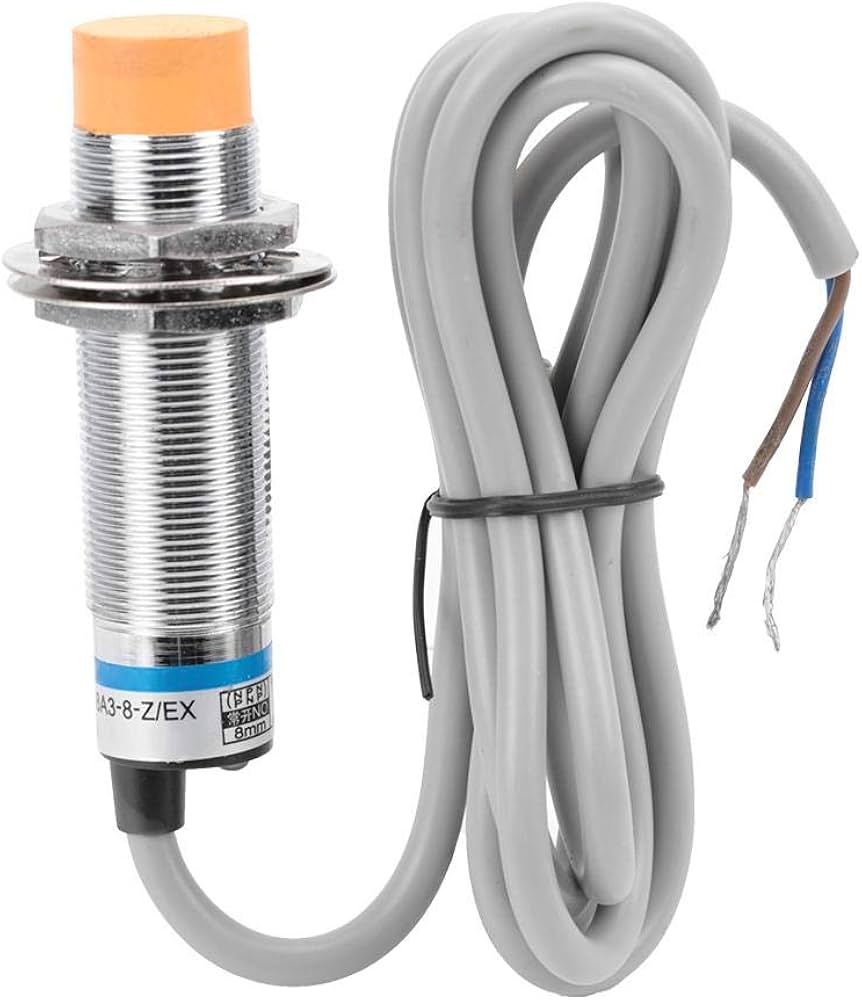
    pneumatic component

    Key advantages include:

    • Improved operational accuracy
    • Faster response times
    • Consistent performance during demanding tasks
    • Enhanced productivity levels
    • Reduced maintenance requirements
    • Better energy utilization
    • Increased equipment reliability
    • Smooth integration with automated systems

    These benefits create a strong foundation for achieving long-term operational success.

    Features That Support Better Workflow Efficiency

    Modern pneumatic technology incorporates advanced features designed to improve performance and operational stability.

    Precision Control Capabilities

    Accurate control contributes to better workflow management through:

    • Consistent movement and positioning
    • Reliable process execution
    • Improved product quality
    • Enhanced operational coordination
    • Stable system performance

    Durable Component Construction

    High-quality construction helps ensure long-lasting effectiveness by providing:

    • Strong resistance to wear
    • Reliable performance under continuous operation
    • Extended service life
    • Consistent functionality
    • Improved operational confidence

    Efficient Air Management

    Optimized air handling capabilities support productivity through:

    • Better pressure regulation
    • Smooth airflow distribution
    • Consistent operating conditions
    • Improved equipment responsiveness
    • Enhanced process efficiency

    Benefits for Industrial Operations

    Innovative pneumatic solutions positively influence multiple aspects of workflow performance.

    Increased Productivity

    Advanced components help organizations achieve higher productivity through:

    • Faster operational cycles
    • Reduced process interruptions
    • Improved workflow continuity
    • Better equipment coordination
    • Enhanced task completion rates

    Improved System Reliability

    Reliable pneumatic technology contributes to dependable operations by offering:

    • Stable performance levels
    • Consistent operational output
    • Reduced downtime risks
    • Strong operational support
    • Long-term dependability

    Enhanced Automation Support

    Modern automated systems benefit significantly from advanced pneumatic components because they provide:

    • Accurate motion control
    • Reliable actuator performance
    • Smooth communication between equipment
    • Efficient process management
    • Consistent automation results

    Supporting Future Industrial Growth

    As industries continue to pursue greater efficiency, innovative pneumatic technology remains an essential contributor to workflow enhancement. Organizations seeking reliable solutions often explore valuable technical resources, and information available through https://www.hebaiele.com/es/ can support a broader understanding of pneumatic applications and system capabilities.

    Conclusion

    Innovative pneumatic component technology delivers significant advantages for industrial workflow performance. Through precision control, durable construction, efficient air management, and dependable operation, these advanced solutions help create productive and reliable working environments. Their positive impact on efficiency, automation, and operational consistency makes them an important element in achieving successful industrial outcomes and supporting continued growth.

  • Flotation Process Optimization: Techniques to Protect Large Flakes from Destruction

    Flake Graphite
If you’ve spent any time in a Flake Graphite or mica processing plant, you know the gut-wrenching feeling of watching a high-value, centimeter-sized flake get pulverized into useless dust inside a flotation cell. That’s not just a loss of product; that’s a direct hit to your bottom line. The industry has been obsessed with recovery rates for decades, but the real money is in preserving the integrity of those large flakes. Here is the hard truth: standard flotation equipment treats a six-millimeter flake the same way it treats a grain of sand. And that is a recipe for destruction.

    The core problem is mechanical aggression. Conventional impellers create high shear zones that are excellent for generating bubbles but brutal on fragile, lamellar particles. The first technique to fix this is a radical rethink of the impeller design. We are talking about switching to a low-energy, hydrofoil-style rotor. Instead of chopping through the slurry like a blender, this design creates a gentle, laminar flow that lifts the large flakes upward without snapping them. The result? A 30% reduction in particle breakage is not a fantasy; it is a documented outcome in operations that have made the switch.

    But hardware is only half the battle. The second technique is a process chemistry adjustment that most operators overlook: froth depth management. When you run a deep froth bed, the large flakes get trapped in a heavy, collapsing foam structure. They are crushed under the weight of the froth itself. The fix is counterintuitive but effective. You need to run a shallower froth bed combined with a more aggressive froth removal system. This minimizes the residence time of the large flakes in the froth zone, pulling them out before the mechanical weight of the foam can fracture them.

    Now, let’s talk about the reagent suite. The standard practice of using high dosages of collector to maximize yield is a trap for large flakes. Over-collectorization creates a thick, sticky bubble that is too rigid. When these bubbles burst, they snap the attached flakes. The third technique involves a precision switch to a selective, low-frother regime. By using a weaker frother that produces smaller, more elastic bubbles, you allow the large flakes to detach cleanly rather than being ripped apart. It sounds simple, but it requires a real-time control system that adjusts reagent feed based on particle size analysis, not just tonnage.

    Finally, the most overlooked technique: the conditioning stage. Most plants slam the fresh feed directly into the first flotation cell with full agitation. That is a death sentence for large flakes. The solution is a dedicated, low-speed conditioning tank that uses a spiral agitator rather than a turbine. This allows the collector to coat the flake surface gently without the violent impacts that create micro-cracks. Once those micro-cracks appear, the flake is doomed to break in the subsequent cells.

    Protecting large flakes is not about adding more equipment; it is about removing destructive energy from the process. The companies that are winning in the specialty graphite and mica markets are not the ones with the highest throughput. They are the ones who have optimized their flotation circuit to treat every large flake like a piece of glass. Because in this business, a whole flake is worth ten times the price of a broken one. Stop grinding your profits away.

  • Real Estate Agents Create Successful Property Journeys With Dedicated Professional Assistance

    Real estate journeys often involve important financial decisions, careful planning, and timely execution. Professional real estate agents play a vital role in guiding buyers and sellers through each stage with clarity and confidence. Their dedicated assistance ensures that every step of the process becomes more organized, efficient, and rewarding. With strong expertise and client-focused service, real estate agents help individuals achieve successful property outcomes while reducing stress and uncertainty throughout the journey.

    Understanding Guided Property Planning

    Real estate agents begin by creating a structured plan tailored to the needs of each client. They assess budget, preferences, and long-term goals to provide clear direction in the property search process. Their insights help clients avoid confusion and focus only on relevant opportunities. This guided planning stage improves decision-making and ensures efficient use of time and resources. Clients also benefit from clearer prioritization of options that align with long-term value and lifestyle needs.

    Key Areas of Professional Assistance

    Real estate agents offer comprehensive support across multiple stages of the property journey. Their expertise ensures smoother transactions and better outcomes for clients.

    • Property evaluation and accurate pricing guidance
    • Market analysis and trend interpretation
    • Negotiation support for fair deals
    • Legal documentation assistance and verification
    • Coordination with financial and lending institutions

    Additionally, they maintain clear communication throughout the process to ensure transparency and trust. This ongoing support also helps clients stay informed about new listings and changing market conditions in real time. Marketing campaigns achieve stronger engagement with guidance from https://www.boekweitolie.nl/ resources available.

    Enhancing Negotiation and Decision-Making

    Real Estate Agents

    Negotiation is a critical aspect of real estate transactions, and agents bring valuable expertise to secure favorable results. They analyze market conditions, compare property values, and develop strategies that benefit their clients. With strong communication skills, they help bridge gaps between buyers and sellers, ensuring mutually beneficial agreements. This professional support leads to better pricing outcomes and reduced risks during transactions. They also provide practical advice that helps clients avoid common pitfalls and make well-informed property decisions.

    Emotional Support and Client Confidence

    Buying or selling property can be emotionally significant, and real estate agents provide reassurance throughout the journey. They address concerns, answer questions, and maintain steady communication to build confidence. Their supportive approach helps clients feel secure while making important decisions. By offering clarity and patience, they transform complex processes into smooth and manageable experiences. This guidance empowers clients to move forward confidently, knowing every step is professionally supported. They also ensure that each stage, from initial search to final paperwork, is handled with precision, reducing delays and enhancing overall satisfaction for all parties involved in the transaction successfully.

    Conclusion: Building Successful Property Journeys

    Dedicated real estate agents play an essential role in ensuring successful property journeys for clients across all experience levels. Their commitment to professional service, market knowledge, and personalized guidance creates a seamless experience from start to finish. By combining expertise with dedication, they help individuals achieve their property goals with confidence and long-term satisfaction.

  • Man And Van Service Helps Complete Quick Local Moving Tasks

    Man and van service helps complete quick local moving tasks efficiently, offering a flexible and practical solution for individuals and small businesses. It is designed to handle short-distance relocations, single-item transport, and urgent moving needs with ease. This service is especially valued for its speed, convenience, and affordability, making it a popular choice in urban and suburban areas.

    What is Man and Van Service

    A man and van service typically includes a professional driver with a suitable van who assists in loading, transporting, and unloading items. It is ideal for smaller moves where a full-scale moving truck is not necessary. The service adapts to different requirements, whether it is moving household goods, office equipment, or bulky items within the same locality.

    Benefits for Quick Local Moving Tasks

    House Removal

    This service is highly effective for time-sensitive relocations. It reduces stress and saves time by providing immediate support for transportation needs. Customers benefit from its flexibility, as it can be booked for short notice and customized according to load size and distance.

    • Fast response for urgent moving needs
    • Cost-effective compared to large moving services
    • Suitable for small and medium loads
    • Flexible scheduling for convenience
    • Professional handling of items for safety
    • Local area expertise for quicker routes

    How It Streamlines the Moving Process

    The service simplifies moving by combining transport and manual assistance in one package. This eliminates the need for multiple arrangements, reducing effort and coordination time. Efficient loading techniques and proper vehicle sizing ensure smooth and safe relocation. It also minimizes downtime, allowing individuals to settle quickly into their new location. Budget conscious clients select cheap removals Nottingham for affordable services

    Ideal Situations for Use

    Man and van services are ideal for apartment moves, student relocations, furniture delivery, and last-minute transport requirements. They are also useful for clearing spaces, shifting office essentials, or moving items purchased locally. Their adaptability makes them suitable for a wide range of everyday moving tasks.

    Why It is a Preferred Moving Solution

    One of the key reasons man and van service is widely preferred is its ability to offer a balanced combination of speed, affordability, and personalized support. Unlike larger moving options that may require extensive planning and higher costs, this service is designed to meet immediate and smaller-scale relocation needs with ease. It provides a practical approach for people who value efficiency without compromising on care and safety. The service also enhances user convenience by offering door-to-door assistance, reducing physical effort and logistical challenges. Its adaptability ensures it meets different customer requirements, from single-item transport to small home or office shifts, making it a dependable everyday solution.

    • Quick booking process for urgent needs
    • Reduces need for large moving arrangements
    • Suitable for urban and local short distances
    • Ensures careful handling and smooth delivery

    Conclusion

    Man and van service provides a reliable and efficient solution for quick local moving tasks. With its flexible approach, professional assistance, and focus on convenience, it supports smooth transitions for various relocation needs. It continues to be a practical choice for those seeking fast, organized, and stress-free moving experiences. Overall, it ensures a smooth, hassle-free moving experience for everyday local transportation needs efficiently.

  • Faster Deal Closures Happen With ERPPOP โปรแกรมทำใบเสนอราคา

    Closing business deals quickly requires accuracy, speed, and smooth communication. Modern quotation software helps sales teams prepare professional quotations in less time while improving customer confidence. A well-organized quotation process reduces delays, prevents pricing mistakes, and supports faster approvals. Businesses that use advanced quotation tools often experience better customer engagement and increased conversion rates.

    Quick Quote Creation Improves Response Time

    Customers appreciate fast replies when requesting pricing details. Quotation software allows teams to generate polished quotations within minutes instead of spending hours on manual preparation.

    Key advantages include:

    • Predefined quotation templates
    • Automated price calculations
    • Faster product and service selection
    • Reduced manual entry work
    • Consistent formatting in every document
    • Easy customization for different clients

    A quicker response creates a positive first impression and increases the chances of winning the deal before competitors respond.

    Better Accuracy Builds Customer Trust

    Pricing errors can delay approvals and create confusion. Automated quotation systems reduce mistakes by using centralized pricing and predefined calculations. Accurate quotations help customers make decisions confidently.

    Features that support higher accuracy:

    • Automatic tax and discount calculations
    • Standardized pricing structures
    • Real-time data updates
    • Error-free quantity calculations
    • Clear product descriptions
    • Professional document layouts

    Accurate quotations also reduce unnecessary back-and-forth communication, helping businesses move deals forward smoothly. Readers can explore more helpful details by selecting อ่านเพิ่มเติม for additional insights and expanded information on various topics.

    Faster Approvals Help Sales Teams Close Deals

    Many sales delays happen during the approval process. Smart quotation software simplifies internal approvals and speeds up decision-making.

    Approval benefits include:

    • Instant quotation sharing
    • Quick manager review options
    • Digital authorization workflows
    • Improved communication between departments
    • Reduced paperwork handling
    • Faster customer confirmation

    When approvals happen quickly, sales teams can focus more on customer relationships and less on administrative tasks.

    Professional Presentation Creates Stronger Impact

    A clear and attractive quotation improves customer confidence. Professionally designed quotations make businesses appear more organized and reliable.

    A polished quotation often includes:

    • Clean formatting
    • Structured pricing sections
    • Easy-to-read terms
    • Product summaries
    • Transparent cost breakdowns
    • Personalized customer details

    Customers are more likely to respond positively when quotations are visually organized and easy to understand.

    Centralized Information Enhances Productivity

    Managing quotations manually across multiple files can slow down operations. Centralized quotation software keeps all information in one place, allowing teams to access data instantly.

    Productivity improvements include:

    • Faster document retrieval
    • Better customer history tracking
    • Easy quotation revisions
    • Improved collaboration among teams
    • Simplified follow-up management
    • Efficient record maintenance

    This organized workflow helps businesses handle more enquiries without increasing workload pressure.

    Improved Follow-Ups Increase Conversion Rates

    Timely follow-ups play a major role in closing deals successfully. Quotation software often includes reminders and tracking tools that help sales teams stay connected with prospects.

    Follow-up advantages include:

    • Automatic reminder notifications
    • Faster customer communication
    • Better tracking of quotation status
    • Increased customer engagement
    • Improved response management
    • More consistent sales activity

    Regular follow-ups encourage quicker customer decisions and strengthen professional relationships.

    Conclusion

    Smart quotation software transforms the sales process by improving speed, accuracy, and customer communication. Faster quote generation, smooth approvals, organized data management, and professional presentation all contribute to quicker deal closures. Businesses that streamline quotation management can improve productivity, strengthen customer trust, and create a more efficient sales workflow that supports long-term growth.

  • Keep Interiors Cool with Advanced Window Tinting Services

    Advanced window tinting services have become a smart and efficient solution for maintaining cooler and more comfortable indoor environments. Whether it is residential, commercial, or automotive spaces, modern tinting technologies help reduce heat buildup, block harmful UV rays, and improve overall energy efficiency. With rising temperatures and increased focus on sustainable living, window tinting offers a positive and practical way to enhance comfort while reducing energy costs. It is a long-term upgrade that brings both style and functionality together.

    Why Modern Window Tinting Matters

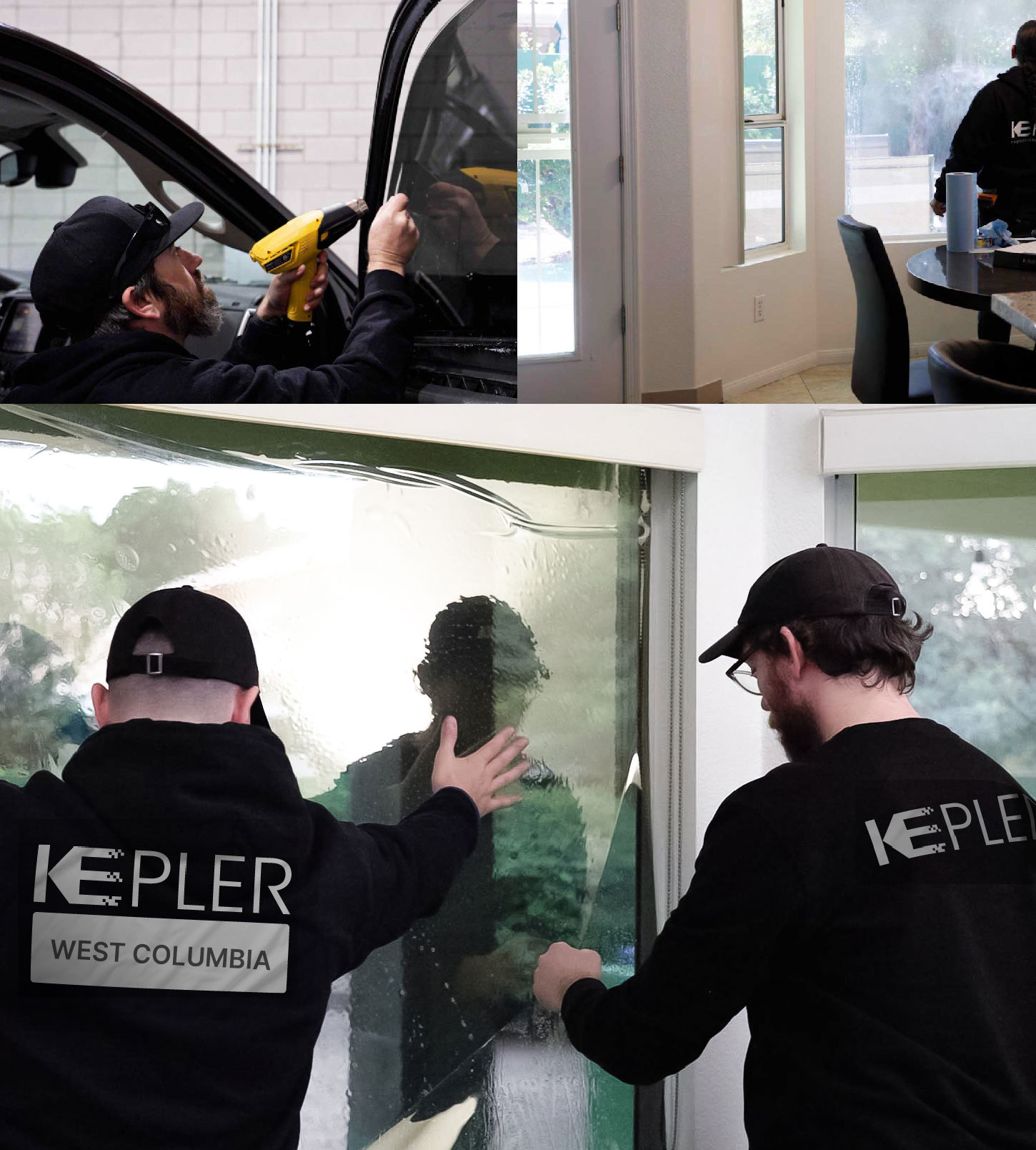
    Luxury Glass Tinting plays a crucial role in controlling indoor temperature and improving comfort levels throughout the year. By reducing excessive solar heat gain, it helps keep interiors naturally cooler without over-relying on air conditioning systems. This not only enhances comfort but also contributes to significant energy savings. Additionally, advanced tinting films help protect furniture, flooring, and interiors from fading caused by constant sun exposure, making them a valuable investment for long-term property care.

    Key Benefits of Advanced Window Tinting

    Advanced window tinting services offer multiple benefits that significantly enhance indoor living and working environments:

    • Reduces indoor heat and maintains a cooler atmosphere naturally
    • Blocks up to 99% of harmful UV rays for better protection
    • Improves energy efficiency by lowering air conditioning usage
    • Enhances privacy without compromising natural daylight
    • Reduces glare for improved visual comfort indoors

    Smart Technology behind Modern Tinting Solutions

    Glass Tinting

    Today’s advanced window tinting solutions use innovative film technologies designed to regulate heat and light effectively. These films are engineered with multiple layers that selectively filter sunlight, allowing natural brightness while blocking excessive heat. Some smart tints even adapt to changing weather conditions, offering dynamic comfort throughout the day. This blend of science and design ensures interiors remain cool, comfortable, and visually appealing in all seasons.

    Where Window Tinting Delivers Maximum Impact

    Window tinting services can be effectively applied across various spaces to maximize comfort and efficiency:

    • Homes for cooler and energy-efficient living spaces
    • Offices to improve productivity and reduce heat stress
    • Cars for comfortable and glare-free driving experience
    • Commercial buildings to lower cooling costs significantly

    Conclusion

    Advanced window film provide a powerful and positive way to maintain cooler interiors while enhancing overall comfort and efficiency. By combining modern technology with practical design, these solutions help reduce heat, protect interiors, and create a more enjoyable indoor environment. Whether for homes, offices, or vehicles, window tinting delivers long-lasting value and sustainability benefits. It is a smart investment that improves daily living conditions while reducing energy consumption. Choosing advanced tinting solutions ensures a cooler, healthier, and more comfortable space throughout the year, making it an ideal upgrade for modern lifestyles.

  • Expert Plumbing (Jack Chivers style): from maddening drips to full bathroom installs

    Plumbing is one of those trades where people think they want a quick fix, but what they actually want is predictability. Dry ceilings. Stable pressure. No mystery smells. No “why is the grout dark again?” six months later.

    I’ve worked on enough leak calls and bathroom refits to tell you the same thing every time: the winners aren’t the fastest hands. They’re the ones who follow a sequence, keep notes, and don’t get cute with shortcuts.

    One clean repair beats five clever ones.


     Hot take: most “leaks” aren’t hard to find, you’re just looking in the wrong order

    If you start by ripping out tile or opening ceilings, you’re gambling. Pros don’t gamble. They hunt.

    Here’s the practical sequence I use (and I’ve seen operators like plumbing by Jack Chivers use the same logic, even if their style is quieter or more surgical):

    – Find the strongest evidence first: pooling water, swollen skirting, ceiling stains, a damp cabinet base.

    – Trace upstream, not outward: gravity lies. Water travels.

    – Check pressure behavior: a pressure spike can make a “bad joint” look like the culprit when the real issue is upstream regulation or thermal expansion.

    – Isolate zones: shutoffs one by one, then re-check for active wetting.

    Now, this won’t apply to everyone, but if you’ve got intermittent leaks that “magically” vanish when you look at them, you’re often dealing with one of three things: expansion on hot lines, a small weep on a compression joint, or a waste connection that only seeps during discharge.

    And yes, take photos and scribble measurements. It feels obsessive until you’re trying to explain a hidden leak to a second trade three days later.


     What a pro actually looks for (the nerdy version)

    When you’re diagnosing like a specialist, you stop treating the system as “pipes” and start treating it as materials + joints + forces.

    – Material compatibility: copper to steel, brass to plastic, older push-fit with newer tube tolerances… mixed systems behave differently under temperature cycling.

    – Joint type & failure mode: solder cracks don’t behave like compression weeps; solvent weld faults usually show up after movement or poor prep; threaded joints fail from over-torque as often as under-torque.

    – Corrosion signatures: green crust on copper suggests long-term weeping; white mineral tracking around fittings usually means slow leak + evaporation.

    A quick data point that’s useful when clients argue with physics: household water use is heavily driven by toilets, and leaks add up fast. The U.S. EPA estimates toilets account for nearly 24% of residential indoor water use, and leaking toilets can waste significant water over time (EPA WaterSense). Source: https://www.epa.gov/watersense

    That’s why I don’t shrug off a “tiny” leak. Tiny is how rot starts.


     Toolkit reality check: you don’t need a truck… but you do need the right few things

    Look, I love a well-organized kit. I also hate clutter. The goal is coverage, not cosplay.


     The baseline kit (covers most sane repairs)

    An adjustable wrench and pliers are obvious, but the unsung heroes are the boring ones:

    – Basin wrench (if you’ve ever replaced a tap without one, you’ve suffered unnecessarily)

    – Tubing cutter + deburring tool (clean cuts prevent half your future leaks)

    – PTFE tape + proper thread sealant (not interchangeable, not “use both everywhere”)

    – Pressure gauge (because “seems fine” is not a measurement)

    – Utility knife + sandpaper/emery for prep work

    In my experience, buying one decent cutter beats buying three cheap ones. A ragged cut on plastic pipe will haunt you.


     The “I’m serious about reliability” add-ons

    This is where people roll their eyes until they need it:

    – A torque wrench you can actually calibrate (yes, over-tightening breaks stuff)

    – Leak detection dye for awkward, intermittent seepage

    – A multimeter for any fixture work near powered equipment (pumps, macerators, fancy mirrors)

    Keep a small box of common-size washers, olives, and isolation valves. You’ll thank yourself at 8:40pm.


     Quick-win repairs that don’t boomerang back next week

    Here’s the thing: “quick” is fine. “Temporary” is fine too, if you label it honestly. What’s not fine is pretending a patch is a cure.


     The short checklist I run before touching anything

    Shutoff. Drain-down. Confirm pressure is gone. Then:

    – inspect for scale and pitting

    – check alignment (a stressed joint will keep leaking no matter what sealant you smear on it)

    – replace wear parts instead of “tightening harder”

    One-line truth:

    Over-tightening is the most common DIY leak multiplier I see.


     Seal choices that actually make sense

    – Threads: PTFE tape or anaerobic thread sealant, depending on spec and application. Don’t wrap tape like a mummy.

    – Flat seals (washers/gaskets): clean mating surfaces, replace the seal, align, tighten to snug, not brute force.

    – Movement-prone areas: prefer mechanical seals (compression, proper fittings) over hoping silicone solves physics.

    (And please don’t “seal” a leak on a compression fitting by adding more tape to the nut. That’s not how compression works.)

    After any repair: dry everything, then re-pressurize and watch with a torch for a full few minutes. Some weeps wait for vibration or heat.


     Planning a bathroom renovation without turning your house into a campsite

    A bathroom refit can be civil… or it can swallow your life. The difference is planning like you mean it.

    I like a wall-to-wall plan that treats the bathroom as zones:

    Wet zone (shower/bath), semi-wet (vanity), dry (WC area and circulation). If you don’t map those, you’ll end up with awkward clearances, inaccessible traps, and future you will be angry.

    A few disruption-killers that sound dull but work:

    – order long-lead items early (tiles, enclosures, special valves)

    – set a dedicated materials staging area outside the bathroom

    – schedule inspections so walls don’t get closed prematurely

    – run dust control like you’re renovating a hospital (okay, not that extreme, but close)

    Also, lighting. People treat it as decor. It’s actually workflow. Bad temporary lighting makes bad installs.


     Fixtures & layout: where “pretty” loses to “serviceable”

    You can have the nicest tap in the world, and it’s still a mistake if you can’t reach the isolation valves once the vanity is installed.

    When I’m choosing fixtures with clients, I ask questions that sound annoying but prevent expensive regret:

    – Can the cartridge be replaced without removing tile?

    – Are the rough-in dimensions standardized?

    – Where’s the access panel going (and will it be blocked later)?

    – Are we matching valve flow rates to the shower head and supply size?

    Technical note, but it matters: mismatching supply sizes, high-restriction valves, and certain “waterfall” style outlets is how you get noise, weak flow, and constant fiddling with temperature.

    If you want a pro feel: pick fixtures that have readily available spares locally. A gorgeous imported valve with a 6-week cartridge lead time is not luxury. It’s downtime.


     DIY vs pro (the part people don’t want to hear)

    DIY is fine for visible, low-risk tasks: swapping a tap washer, replacing a trap, changing a shower head, clearing an aerator, testing a toilet flapper.

    Call a licensed plumber when any of these show up:

    – hidden leaks behind finished surfaces

    – repeated leaks at the same joint (symptom of movement or pressure issues)

    – anything involving gas, unvented hot water systems, or structural rot

    – major reroutes of waste/vent stacks

    Look, I’m not precious about it. I like capable homeowners. But if the downside is flooding, mould, or a non-compliant install you’ll pay twice for, it’s not a “learning project,” it’s a liability.


     Remodel sequencing that stays sane (and keeps access where it counts)

    Some projects go sideways because the order is wrong, not because the installer is bad.

    A sequence that behaves:

    1. Demo with restraint (protect what stays, confirm what’s actually there)
    2. Rough plumbing (supply, waste, venting, valve placement, isolation)
    3. Framing/backing for future grab bars, screens, wall-hung items
    4. Electrical + ventilation (don’t guess airflow; size it properly)
    5. Waterproofing as a system, not a vibe
    6. Finishes (tile, paint, fit-off)
    7. Commissioning: pressure test, leak check, flow check, temp stability

    Opinionated point: if you cut corners on waterproofing because the tile “looks sealed,” you’re building a slow leak on purpose.


     The mindset that makes plumbing projects predictable

    The difference between a smooth job and a chaotic one is usually paperwork and discipline, not talent.

    Keep a written plan. Take measurements twice. Record pressure readings. Note what parts went in and when. If something changes midstream, log it. That’s not bureaucracy; that’s memory you can trust.

    And when a job starts tempting you toward “good enough,” pause.

    That’s the exact moment most future leaks are born.